You’ve likely noticed how certain spaces feel instantly elevated while others, despite expensive fixtures, fall flat. The difference lies in orchestrating light as architecture—layering sources at strategic heights, calibrating color temperatures with surgical precision, and programming scenes that shift seamlessly from morning energy to evening intimacy. Most designers overlook the technical nuance required to achieve this balance, but understanding three fundamental principles will transform how you approach every private interior.
Layering Light Sources to Create Depth Without Overwhelming Spaces
How can a space feel both luminous and intimate without falling into the trap of over-illumination? You’ll achieve this through strategic interior lighting layering: combine ambient fixtures with task and accent sources at varying heights. Install dimmers on each circuit, allowing independent control. Position uplights to expand perceived volume while directing spotlights toward architectural features. This approach creates visual hierarchy, guiding your eye through the space without sensory fatigue.
Choosing Fixtures That Deliver Visual Impact and Everyday Functionality
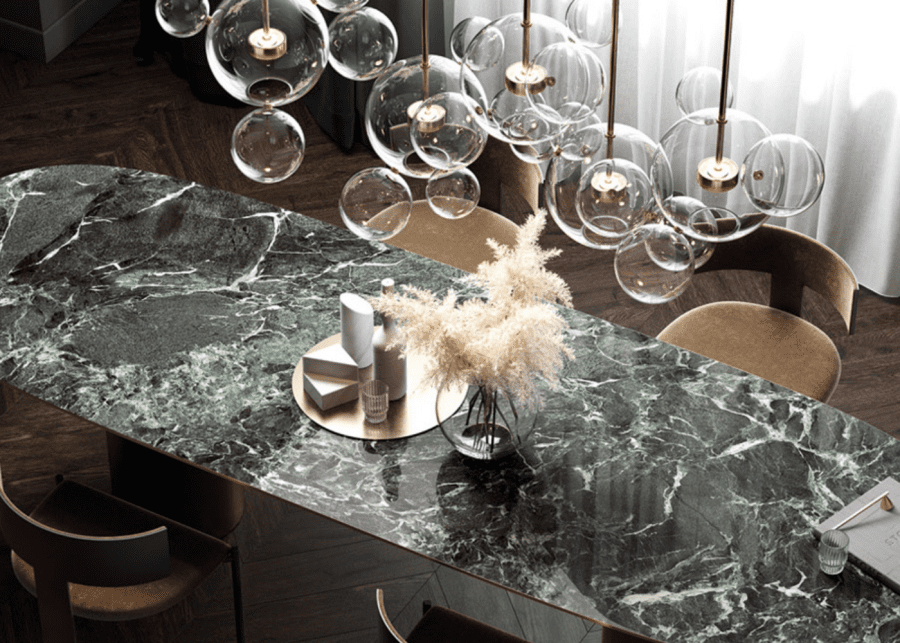
With your layering strategy mapped, the fixtures themselves become the vehicles that translate lighting intent into lived experience. You’ll want pieces that marry sculptural presence with lumen output calibrated to task requirements. Prioritize adjustable color temperature, dimming capability, and beam control. Select finishes that complement architectural detailing while housing optical systems engineered for glare mitigation and even distribution across surfaces.
Dimming Systems and Controls That Adapt Luxury Lighting to Daily Rhythms
Why install static lighting when your circadian needs, task demands, and aesthetic preferences shift hourly? Integrate DALI or 0–10V dimming protocols with programmable scenes that transition from energizing daylight-spectrum intensities to warm, relaxed evening ambiances. You’ll orchestrate lumens precisely—whether highlighting architectural details during entertaining or creating restful cocoons for unwinding. Wireless control interfaces ensure intuitive adjustment without compromising your interior’s refined aesthetic integrity.
Balancing Color Temperature for Warmth That Doesn’t Sacrifice Sophistication
Color temperature selection determines whether your space radiates inviting warmth or clinical sterility—yet too many luxury interiors default to uniform 2700K throughout every zone. You’ll achieve sophisticated layering by specifying 3000K for task areas, 2700K for ambient fixtures, and 2200K for accent lighting. This gradient creates dimensional warmth while maintaining visual clarity where you need focused illumination for reading, grooming, or culinary preparation.